
How Untreated Sleep Apnea Affects Your Heart and Brain
Key Highlights
- Repeated breathing pauses trigger cardiovascular strain, elevating blood pressure and heart disease risks.
- Interrupted oxygen supply during sleep damages brain health, impairing memory and cognitive focus.
- Seeking a comprehensive airway evaluation helps identify structural obstructions blocking nighttime breathing.
- Modern surgical solutions open collapsed airways, providing permanent relief from severe sleep disruption.
The Hidden Risks of Nocturnal Airway Collapse
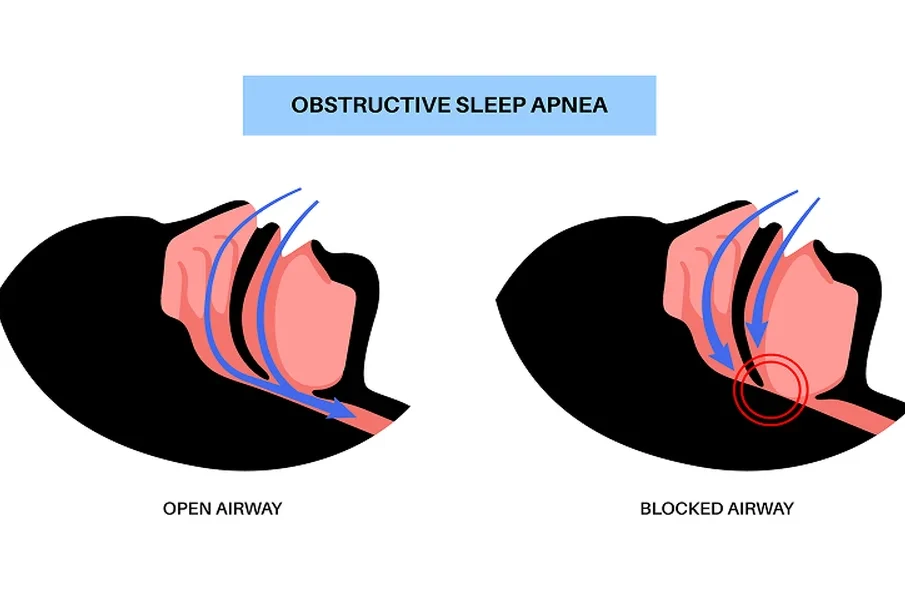
Waking up exhausted every morning often signals a much deeper health issue than simple sleeplessness. When upper airway tissues collapse repeatedly during the night, your body struggles against severe oxygen deprivation. Seeking timely guidance from an experienced ENT surgeon ensures that underlying physical blockages are identified and treated before lasting cardiovascular damage occurs.
Ignoring chronic nighttime gasping allows systemic strain to build across vital organs over many years. When non-invasive therapies fail to resolve severe airway obstructions, evaluating options for sleep apnea surgery becomes essential for protecting long-term vitality. Understanding how nocturnal breathing interruptions affect your body empowers you to take decisive action.
Impact on Cardiovascular Health
Repeatedly stopping breathing throughout the night forces your heart to work significantly harder under sudden physical stress. Every time oxygen levels plummet, your brain triggers a surge of adrenaline-spiking blood pressure, straining blood vessels, and keeping your body in an ongoing state of nocturnal panic. Consulting a skilled ENT surgeon provides clarity on whether physical airway blockages are driving these dangerous cardiovascular spikes.
- The Immediate Trigger: Adrenaline & Pressure Surges
Nocturnal oxygen drops force the brain to send rapid distress signals, causing sudden blood pressure spikes that severely overwork the heart while you sleep.
- The Long-Term Damage: Arterial Stress & Disease Risks
Years of violent pressure fluctuations weaken and damage delicate arterial walls, sharply elevating your long-term risks for heart attacks, irregular heart rhythms, and heart failure.
- The Solution: Restoring Airflow & Heart Recovery
Clearing physical upper airway blockages eliminates oxygen drops at the source-allowing your cardiovascular system to finally rest, recover, and stabilise during normal sleep cycles.
Protecting your heart ultimately requires maintaining unobstructed, steady oxygen delivery every single night.
Damage to Brain Structure
Brain cells rely on a continuous, uninterrupted supply of fresh oxygen to function efficiently and maintain neural connections. Chronic nighttime suffocation causes microscopic cellular damage, impairing memory retention, daily focus, and emotional regulation. In severe cases where physical collapse blocks airflow completely, sleep apnea surgery offers a permanent solution to restore vital oxygen supply.
Persistent sleep fragmentation also prevents the brain from clearing metabolic waste products efficiently during deep sleep phases. Patients frequently experience severe morning brain fog, daytime drowsiness, and an increased risk of long-term cognitive decline.
Re-establishing stable breathing patterns protects delicate neural tissue from cumulative ischemic strain. Clearing physical obstructions ensures your brain receives the constant oxygen required for optimal daily function.
What Are the Long-Term Health Risks?
Leaving obstructive breathing issues unmanaged creates a cascading cycle of systemic inflammation throughout your entire body. Evaluating your airway anatomy with a dedicated ENT surgeon reveals whether structural corrections can resolve persistent nighttime oxygen drops and prevent severe systemic complications.
- Metabolic Disruption: Chronic oxygen drops increase insulin resistance, making weight management difficult and elevating long-term diabetes risks.
- Cardiovascular & Stroke Threats: Untreated breathing gaps cause erratic blood pressure spikes and vascular damage, heightening the risk of sudden strokes.
- Continuous Systemic Stress: Persistent airway collapse prevents deep sleep cycles, keeping your body in a state of low-grade, stress-induced inflammation.
- Reversible Physiological Trends: Correcting physical blockages restores true, restorative sleep that nourishes every organ system and revitalises overall energy.
Investing in permanent airway solutions safeguards your future health, energy, and overall quality of life.
Exploring Surgical Treatment Solutions
When continuous positive airway pressure machines prove uncomfortable or ineffective, surgical intervention offers a highly reliable alternative. Modern procedures focus on removing excess soft tissue, repositioning structural barriers, or expanding narrow nasal passages to keep airways open. Discussing sleep apnea surgery with your specialist helps determine the precise anatomical approach needed for your throat structure.
Targeted tissue reduction prevents upper airway collapse even during the deepest, most relaxed stages of sleep. Patients experience immediate improvements in breathing ease, reduced snoring volume, and dramatic boosts in daytime physical energy.
Reclaiming uninterrupted sleep transforms daily productivity and long-term vitality completely. Specialised surgical care delivers lasting relief from the heavy physical toll of untreated sleep disruption.
Pathways to Restorative Sleep
Untreated breathing gaps during sleep pose severe threats to cardiovascular stability and brain function. Addressing physical airway blockages stops cumulative organ strain, lowering risks of heart disease and cognitive decline. Seeking expert evaluation ensures you discover safe, effective pathways toward restoring uninterrupted breathing every night.
Taking a proactive approach to sleep quality protects your long-term health and restores daily energy. Specialised clinical care offers effective solutions tailored specifically to your physical airway needs.
Contact Dr Jenica Yong to schedule your consultation and explore effective solutions for sleep apnea today.
Frequently Asked Questions
- How does untreated sleep apnea impact your long-term heart health?
- It causes oxygen deprivation, which triggers blood pressure spikes and increases heart disease risks.
- How does chronic sleep apnea damage your brain’s overall health?
- Interrupted oxygen supply damages neural cells, which impairs memory, focus, and cognitive function.
- What are the common indicators of sleep apnea during the night?
- Common signs include chronic nighttime gasping, snoring, and waking up feeling exhausted.
- When should patients consider surgical options for sleep apnea?
- Surgery is considered when non-invasive therapies like CPAP are ineffective or uncomfortable.
- How do surgical solutions treat airway obstructions effectively?
- These procedures remove excess tissue or reposition structures to keep the airway open during sleep.