

How Dentists Decide Whether to Save or Remove a Tooth
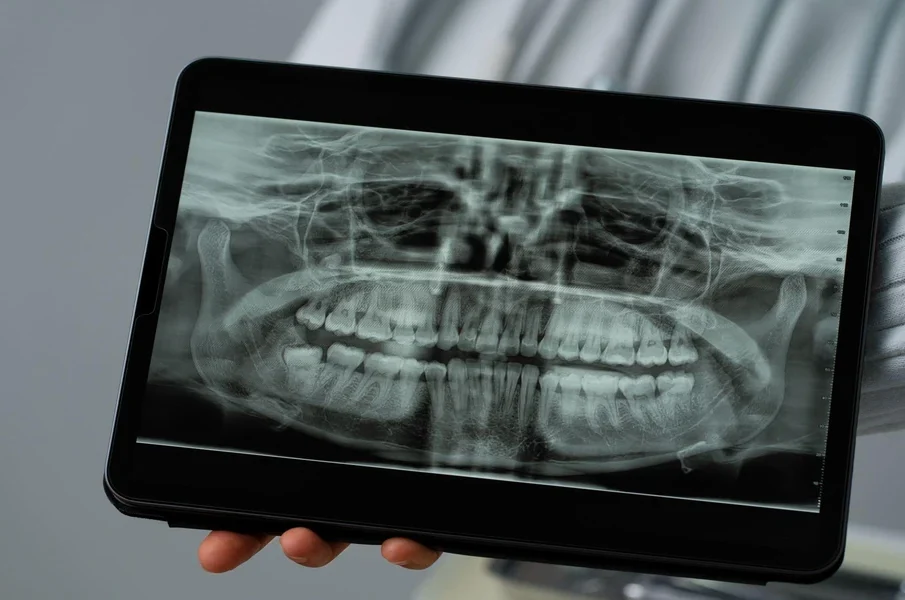
Deciding whether a damaged tooth can be saved with a tooth filling in Singapore or a similar restorative approach, or whether it needs to be removed, isn’t based on a single factor. Several aspects of the tooth’s condition are typically weighed together before a decision is made.
Assessing the Extent of Remaining Tooth Structure
The amount of healthy tooth structure left plays a central role in determining whether restoration is a viable option.
- How much of the original tooth remains intact above the gum line.
- Whether enough structure exists to support a filling, crown or other restoration securely.
- The extent and depth of decay, since decay reaching close to or into the nerve changes the treatment options available.
Evaluating the Health of Supporting Gum and Bone
A tooth’s surrounding support structures affect whether restoring it would result in a stable, functional outcome.
- The condition of the gum tissue and bone supporting the tooth’s root.
- Whether bone loss around the tooth affects its long-term stability, even if the tooth itself could technically be restored.
- Signs of gum disease that may need to be addressed separately from the tooth’s own restoration.
Checking for Fractures and Their Location
The location and severity of a fracture significantly influences whether a tooth remains a candidate for restoration.
- Fractures above the gum line are generally more restorable than those extending below it.
- A fracture that reaches the root is typically a stronger indicator that removal may be necessary.
- Whether the fracture affects the tooth’s structural integrity enough to compromise a restoration’s stability over time.
Considering Infection and Whether It Can Be Resolved
Active infection within or around a tooth affects both the treatment approach and the overall prognosis for saving it.
- Whether the infection is confined to the tooth’s nerve, which may be treatable through root canal therapy.
- Whether infection has spread into surrounding bone in a way that complicates treatment.
- How the tooth and surrounding tissue are likely to respond to treatment based on the infection’s extent.
Weighing Long-Term Function and Maintenance
Beyond the tooth’s current condition, several practical factors affect whether restoration is likely to hold up over time.
- The tooth’s role in overall bite function and whether restoring it supports proper chewing and alignment.
- A patient’s ability to maintain consistent oral hygiene, which affects the longevity of any restoration.
- Whether adjacent teeth or existing dental work would be affected by the decision to save or remove the tooth in question.
How These Factors Combine Into a Final Decision
| Factor | Favours Saving the Tooth | Favours Removal |
|---|---|---|
| Remaining tooth structure | Sufficient structure to support restoration | Minimal structure remaining |
| Fracture location | Above the gum line | Extending below the gum line or into the root |
| Supporting bone and gum | Stable, adequate support | Significant bone loss present |
| Infection | Treatable through root canal therapy | Extensive spread into surrounding bone |
This comparison reflects general considerations rather than a fixed checklist, since these factors are typically weighed together rather than assessed individually.
The Role of Imaging in Confirming the Assessment
A visual examination alone doesn’t always reveal the full extent of a tooth’s condition, particularly below the gum line or within the root structure.
- X-rays help identify fractures, bone loss or infection that isn’t visible during a standard clinical examination.
- Imaging can reveal the exact position and depth of a fracture, which directly affects the save-or-remove decision.
- In some cases, additional imaging is used to reassess the tooth’s condition partway through treatment if new information changes the initial assessment.
Why a Careful Assessment Matters
A tooth that appears significantly damaged on the surface isn’t always beyond restoration, just as a tooth with a less visible problem isn’t automatically a good candidate for saving. A thorough clinical assessment, often supported by imaging, remains the most reliable way to determine whether restorative treatment or dental surgery in Singapore involving extraction is the more appropriate path forward for a specific tooth.
Enquire with us for an assessment of whether your tooth can be restored or needs to be removed.


