

The Next Frontier in Spinal Surgery: Dr.Larry Davidson on Self-Adapting Implant Technologies
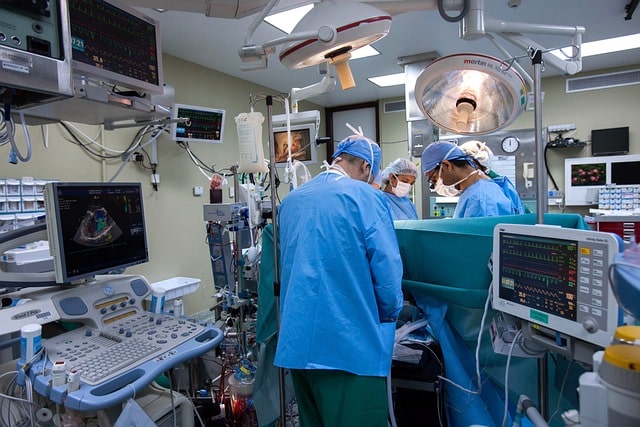
Modern spinal surgery has progressed rapidly in recent decades from rigid metal constructs to biologically compatible cages and minimally invasive tools. Now, the field is preparing for its next significant leap forward: implants that can adapt to a patient’s changing anatomy and healing dynamics in real-time. Dr. Larry Davidson, an experienced surgeon in the field, explains that self-adapting implant technologies may soon allow spinal hardware to respond to mechanical stress, biological cues and tissue changes, effectively turning static devices into active participants in the healing process.
These next-generation systems are being designed to address a major limitation in traditional spinal implants: they are static solutions in a dynamic environment. Once implanted, conventional devices remain unchanged, regardless of how a patient’s biomechanics develop during recovery. Self-adapting implants, on the other hand, are being engineered to sense, respond and sometimes even reshape themselves in accordance with the patient’s real-time physiological needs.
What Are Self-Adapting Spinal Implants?
Self-adapting implants represent a new category of spinal devices that incorporate smart materials, responsive architecture and embedded technologies. These implants can automatically adjust their stiffness, shape or positioning in response to changes in load, pressure or surrounding tissue.
Some are made from Shape-Memory Alloys (SMAs), such as nitinol, which returns to a predefined shape when exposed to specific temperatures or mechanical stimuli. Others utilize bioresorbable scaffolds that gradually shift mechanical loads as fusion progresses. More advanced models may integrate microelectronics or sensor arrays to monitor healing progress and adapt in real-time.
Addressing Limitations of Traditional Implants
Traditional spinal implants are designed with a one-size-fits-most philosophy. While they provide critical stabilization, they do not account for the variability in patient anatomy, tissue quality or movement patterns. Once installed, they are passive components, unable to adjust to unexpected healing challenges such as uneven bone growth, implant migration or adjacent segment stress.
This rigidity can lead to problems. If an implant is too stiff, it can shield bone from necessary mechanical stimulation, slowing down the fusion process. If it’s not stiff enough, it may fail to provide adequate support. Furthermore, any shift in posture or spinal alignment postoperatively can increase stress on hardware not designed to accommodate such change.
Technologies Powering the Transition
The development of self-adapting spinal implants draws from advances in several technological fields:
- Smart Materials
Shape-memory alloys like nitinol have already been used in vascular stents and are now being explored for spinal implants. These materials can transform based on environmental cues, allowing implants to expand, contract or stiffen as needed.
- Sensor Integration
Tiny biosensors can be embedded within implants to monitor pressure, temperature and motion. These sensors gather data that can either inform the surgeon postoperatively or trigger built-in mechanical responses within the implant.
- Magnetically or Electrically Responsive Structures
Some experimental implants include elements that change shape or tension in response to magnetic or electrical stimulation. It enables non-invasive adjustments after surgery, reducing the need for revision procedures.
- Biofeedback Loops
More sophisticated systems are being developed with feedback mechanisms that continuously assess conditions at the fusion site. These systems may one day communicate wirelessly with external devices, allowing surgeons to monitor healing remotely and intervene if complications arise early.
Clinical Applications on the Horizon
Though many of these technologies are in the experimental or early clinical trial phase, several promising applications are emerging:
- Dynamic Interbody Cages: These can expand or change stiffness based on the progression of fusion, ensuring consistent support as healing advances.
- Self-Tensioning Rods: Implants that automatically adjust their tension in response to spinal movement may provide better stabilization during early healing phases.
- Real-Time Monitoring Implants: Devices equipped with sensors that relay load and alignment data to external systems can help surgeons detect issues such as non-union or hardware stress long before symptoms appear.
Benefits for Patients and Surgeons
The promise of self-adapting implants extends beyond their mechanical capabilities. For patients, these devices offer the potential for faster healing, reduced complications and fewer follow-up surgeries. By adjusting to the body rather than forcing the body to adjust to the implant, these technologies align with the broader movement toward personalized and patient-centered care.
For surgeons, self-adapting implants offer a higher level of control and insight into the healing process. Data collected from sensor-equipped implants can enhance decision-making, aid in postoperative care planning and allow for real-time intervention when problems arise. It could reduce the uncertainty that sometimes follows complex spine procedures.
Dr. Larry Davidson underscores, “Emerging minimally spinal surgical techniques have certainly changed the way that we are able to perform various types of spinal fusions. All of these innovations are aimed at allowing for an improved patient outcome and overall experience.” These dynamic tools reflect a broader advancement in surgical practice, one that merges technological precision with a deeper understanding of individual patient needs.
Challenges and Considerations
Despite their exciting potential, self-adapting implants must overcome significant hurdles before becoming standard in operating rooms.
- Regulatory Approval: Devices that alter their structure or contain embedded electronics require rigorous testing and clear evidence of safety and efficacy. Regulatory pathways for dynamic implants are still being developed.
- Cost and Accessibility: Advanced materials and smart features can drive up production costs. For widespread adoption, manufacturers must find ways to scale without sacrificing quality or affordability.
- Longevity and Reliability: Any system that adapts must do so predictably and reliably over time. Failures in adaptive mechanisms could introduce new risks or complications.
- Surgeon Training: These technologies require new surgical protocols and learning curves. Understanding how to implant, monitor and potentially interact with self-adapting devices can be essential for successful integration.
Redefining What Implants Can Do
As the field of spinal surgery continues to change, the concept of implants as static, unchanging supports is rapidly becoming outdated. In its place is a vision of devices that are responsive, intelligent and integrated into the broader ecosystem of patient care.
Self-adapting implants stand at the forefront of this shift. They promise a future where the hardware used in spine surgery is not only stronger and smarter but also more attuned to the patient’s unique recovery journey. Whether it’s adjusting to subtle biomechanical changes or delivering real-time healing data to care teams, these innovations could fundamentally change what’s possible in spinal repair.
Minimally invasive spine surgery highlights the growing potential of self-adapting technologies to reshape surgical outcomes, enabling more precise, responsive and successful care for the next generation of spine patients.