

Why Combining Dry Needling and Exercise-Based Physio Works
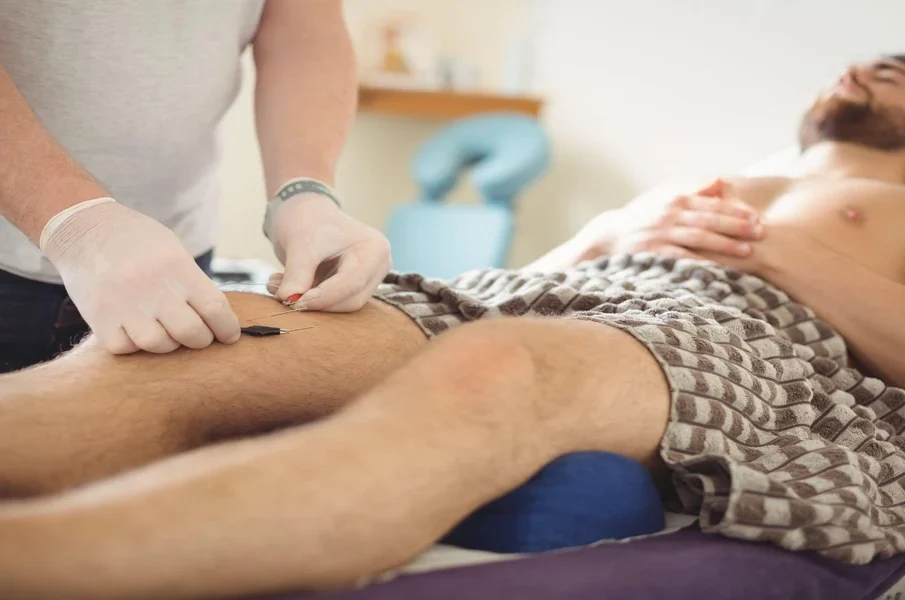
Stuck in a loop of nagging muscle tightness and recurring pain? You’ve tried the stretches, the foam rolling, and the diligent rehab drills, yet that stubborn knot just won’t release. Yet, every time you attempt to strengthen the area, that tight knot in your muscle simply refuses to budge. It feels like trying to build a house on a foundation of solid rock; or rather, a tangled knot of stubborn ropes. This common hurdle leads many active individuals to ask an important question: can you combine dry needling treatment with active exercise? The short answer is a resounding yes! In fact, blending these two powerful modalities often creates the ultimate dynamic duo for lasting physical recovery.
The Dynamic Duo: Why Needles and Exercise Work Better Together
Think of your recovery journey as a two-step process: unlocking the door and then walking through it. Dry needling unlocks the door by resetting hyperactive muscle tissues, while exercise-based rehab helps you walk through by rebuilding strength and coordination.
- Immediate pain relief – Precise application of dry needling treatment targets deep myofascial trigger points, releasing tight knots and dulling localised pain signals almost instantly.
- Creates a window of opportunity – By relaxing tight, angry muscles, needle therapy opens a temporary golden window where you can move with significantly less discomfort.
- Enhances movement quality – Once a tight muscle releases its grip, your joints regain their full range of motion, allowing you to perform exercise drills with proper form.
- Accelerates overall recovery – Combining passive tension release with active muscle engagement speeds up tissue healing far more effectively than relying on either method alone.
Unlocking Tight Knots: How Needle Therapy Prepares Your Body
Before you load a bar or perform heavy resistance work, your muscles must function correctly. Placing fine, sterile needles into tight muscle bands creates a fast reset button for your nervous system.
- Releases twitch responses – Inserting a needle directly into a trigger point prompts an involuntary local twitch response, which immediately forces the stubborn muscle bundle to relax.
- Increases local blood circulation – The micro-stimulation boosts fresh blood flow and oxygen supply directly to fatigued or injured muscle tissues.
- Flushes out inflammatory chemicals – Enhanced circulation helps flush away built-up metabolic waste products that cause persistent aching and sensitivity.
- Calms hyperactive nerves – The needle sensation interrupts continuous pain signals travelling between your brain and the affected muscle tissue.
Locking In the Gains: Why Movement Must Follow the Needles
While needles offer fantastic short-term relief, they do not magically build muscle strength or correct bad movement habits on their own. That is where exercise-based rehabilitation at a physiotherapy clinic in Singapore steps into the spotlight to finish the job.
- Re-educates your nervous system – Performing controlled exercises right after needle therapy teaches your brain how to recruit refreshed, relaxed muscles correctly.
- Builds resilience and endurance – Targeted resistance exercises strengthen weak surrounding muscles, protecting your joints against future wear and tear.
- Prevents pain from returning – Rebuilding structural strength ensures those tight muscle knots do not simply re-form as soon as you return to daily activities.
- Restores functional confidence – Moving through full ranges of motion builds physical trust in your body, allowing you to return to sports and daily tasks without fear.
What to Expect During an Integrated Session
Combining these treatments creates a seamless, highly structured rehabilitation experience tailored specifically to your unique physical needs.
Thorough movement assessment: Your practitioner first evaluates your posture, mobility, and strength deficits to identify the root cause of your pain.
- Targeted needle application – The clinician applies fine needles into key trigger points for 5 to 15 minutes to release deep structural tension.
- Immediate functional re-test – You re-test your movement boundaries to confirm that pain has decreased and mobility has increased.
- Active exercise loading – You transition directly into customised corrective exercises, movements, and strength drills to lock in your newly restored range of motion.
- Expert supervision – Seeking care at a reputable physiotherapy clinic in Singapore ensures that certified experts guide every step of your recovery pathway.
Ready to Move Freely Again?
Relying solely on passive treatments often leaves you stuck in a cycle of temporary relief, while jumping straight into intense exercise with tight, dysfunctional muscles risks further aggravation. Combining targeted needle therapy with structured exercise bridges the gap perfectly. By releasing stubborn muscle knots first and reinforcing healthy movement patterns immediately after, you pave the fastest, most reliable road to long-term physical freedom.
Frequently Asked Questions
Is dry needling painful when combined with immediate exercise?
You may feel a brief muscle twitch or deep ache when applying the needle, followed by mild soreness. However, performing gentle exercises right after usually helps ease post-treatment soreness faster.
How many combined sessions will I need to see results?
Many individuals experience immediate relief and improved mobility after just one session. However, creating permanent structural strength and lasting pain relief typically requires four to six integrated sessions.
Can I perform heavy weightlifting right after a treatment session?
You should focus on controlled, low-load corrective exercises immediately after treatment. Save heavy maximal lifts or high-intensity training sessions for 24 to 48 hours after your appointment.
Book an assessment at The Movement Laboratory today and take the first step toward lasting recovery.