
How Long Can You Wait to Fix a Chipped Tooth?
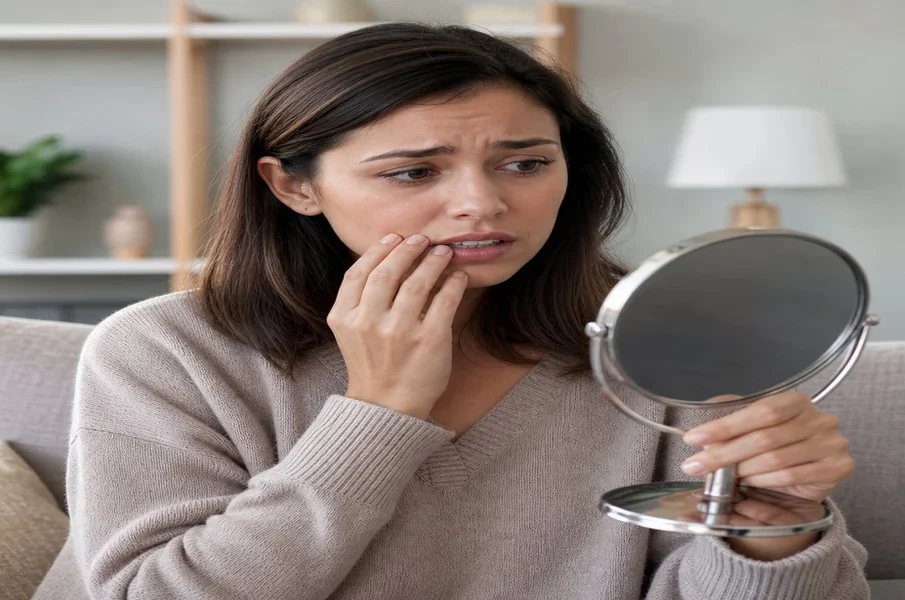
So you chip a tooth on a Friday night, right at the time most dentists close. Or maybe you took a bite out of something and a corner of your front tooth just came off. Maybe you bit down on an ice cube and now your whole jaw hurts, or you’ve got a crack in a tooth. What to do, right then and there? Should you wait until Monday?
The short answer: Sometimes yes, sometimes no. Whether a chip requires immediate attention depends on how much tooth structure is missing and whether there’s any pain. Here’s what to do in the hours after a tooth chips to keep it stable until you see a dentist.
First Hour After Tooth Chips
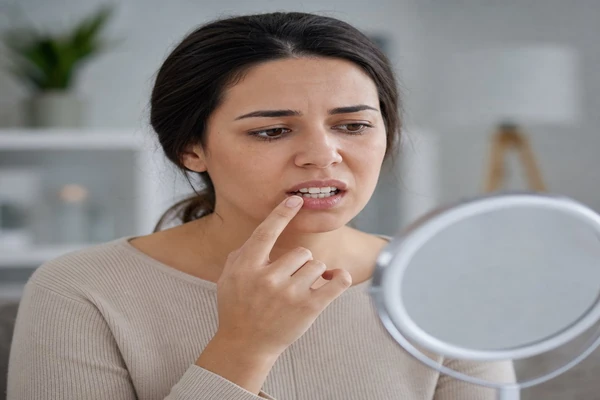
Gently rinse your mouth with warm water and inspect the tooth to see how much tooth structure is missing. If the tooth is bleeding, put clean gauze against it and hold firm pressure to help stop the bleeding. You can also apply a cold pack to the outside of your cheek.
Inspecting a chipped tooth for missing tooth structure
Don’t confuse jagged edges with pain. For example, if a front tooth has chipped and the edge is a little rough, it might bother you when it hits your tongue, but it wouldn’t necessarily hurt. A tooth that hurts after you bite down on ice, however, likely has a more serious crack (as you can see at my.clevelandclinic.org/health).
If you’re able to locate the piece of tooth, place it in a clean container and take it to the dentist. While it may not be possible to reattach the broken piece, it may be useful for the dentist to have the fragment for examination.
Avoid constantly testing the tooth with your tongue and fingers. This can further irritate the tissue and puts extra pressure on the tooth that could make things worse.
How to Eat After a Tooth Chips
It can be uncomfortable to eat dinner if you’ve just chipped a tooth, but there’s no need to skip the meal altogether. Just stick to soft, lukewarm foods like mashed vegetables, pasta, rice, eggs, yogurt, and soups that aren’t too hot. Chew on the side opposite the broken tooth and avoid hard or crunchy foods like nuts, popcorn, crusty bread, hard candies, and ice. Don’t eat overly sweet, hot, or cold foods either, as they could trigger pain if the chip exposed deeper layers of the tooth.
Soft foods suitable for eating after chipping a tooth
If the edge of the tooth is cutting into your cheek or tongue, you can apply dental wax to protect the area. Use only products that are specifically meant to be used in your mouth, and never apply household glue or other adhesives to a tooth.
What To Do Before Bed
Brush and floss carefully before you go to bed, and make sure to clean around the chipped tooth. Don’t floss by pulling the floss up from below the gum line, as this could cause the broken tooth to move. Keep the area clean because food particles can get caught in the jagged edges of a broken tooth.
If you have pain, an over-the-counter pain reliever may help. Do not put the medication directly on your tooth or gums, as this can cause irritation.
If a jagged tooth edge is cutting into your lips, you can use dental wax to keep it from causing more harm. Try not to sleep on the side where the pain is. If the pain gets worse when you lie down, prop your head up a bit higher than usual to reduce pressure.
When to See a Dentist Immediately
If you have a small chip and don’t have pain, swelling, or sensitivity, waiting to fix a chipped tooth until Monday to contact a dentist is probably possible. Avoid using the tooth until then.
If you’re experiencing severe or ongoing pain, swelling, bleeding that doesn’t stop, or a broken tooth that’s loose, make sure to see a dentist right away. Other red flags include:
It’s common to have pain when biting with a cracked tooth, even if it’s not immediately obvious. But don’t assume it’ll go away on its own if it happens to get better for a while. Keep your appointment with the dentist to have it checked.
Wrap-Up
For small, painless chips, you can often wait a few days before seeing a dentist. Just keep the area clean, eat soft foods, and chew on the other side of your mouth. However, all broken teeth should be examined by a dentist because damage may not always be obvious. If pain, swelling, or symptoms of an infection (go to my blog) develop, you should seek immediate care instead of waiting until Monday.